Sticking, Squeaking, Draughty: A Room-by-Room Approach to Period Doors
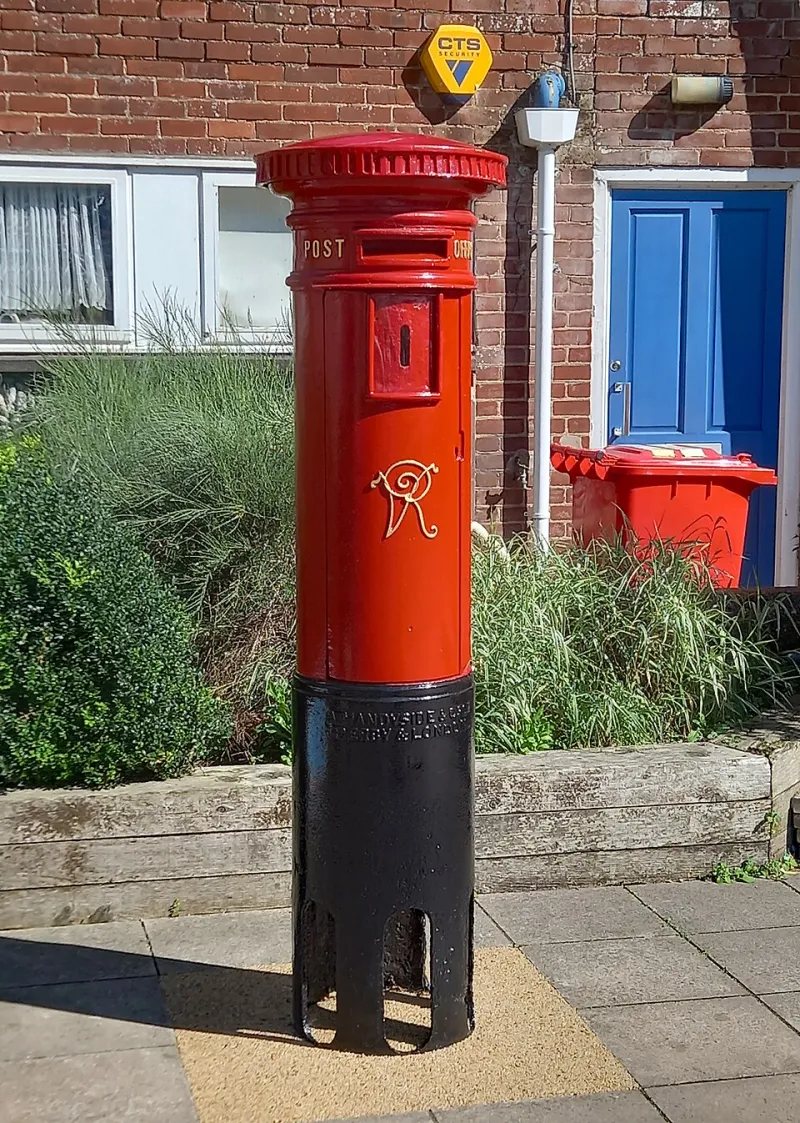
Photo: Jim Osley , CC BY-SA 2.0, via Wikimedia Commons
A door is the most handled object in a house and the least examined. It is shut, pushed, painted over and wedged with a folded cloth for thirty years, and then, during a renovation, it is removed in an afternoon. That decision is often made too quickly. Original doors carry the proportions of the room, the thickness of the wall and the quality of the timber in a way that a modern replacement, however well made, will not.
The case for keeping them is strong, but it is not unconditional. What follows is a sequence for working through the house room by room, and a set of thresholds for deciding when the hinge should be the last resort rather than the first.
Begin with an honest survey
Before any tools are gathered, walk the house with a notebook and record four things about every door: whether it closes, whether it latches, whether it rattles, and whether it is straight.
A door that sticks in summer and swings free in winter is moving with the seasons, which is normal in an old house and usually a matter of humidity rather than failure. A door that has never closed properly since the floor was sanded is a different problem. A door that rattles in its frame is telling you about the latch, not the leaf.
Note also which doors are original and which are later additions. In a Victorian terrace, the principal rooms may hold the original four-panel doors while the bathroom and a 1980s extension hold hollow-core replacements. It is rarely worth heroic effort on the latter.
Why a door sticks, and what that tells you
Sticking has three common causes, and they call for quite different responses.
Paint build-up is the most frequent. Fifty years of gloss on the leading edge, the hinge side and the frame rebate adds several millimetres. The remedy is patient: a sharp stripping knife, a heat gun used carefully, and time. Chemical strippers work but need ventilation and should not be left to dwell on old veneers.
Settlement shows as a door catching at the top corner on the latch side. It often follows structural work, a new floor or a change in the roof load. Here the fix may be a slight adjustment to the hinge recesses rather than any work on the leaf.
Swelling is seasonal and usually resolves. Resist the temptation to plane in November what a dry April would have cured on its own. If a door must be eased, take off the minimum — a millimetre at a time — and remember that a planed door cannot easily be un-planed.
The frame deserves as much attention as the leaf
Most remedial work is wasted if the frame is out of true. Check with a straight edge on the hinge side, then the head, then the latch side. A frame that has twisted will hold a perfectly good door badly.
Where the frame is sound but the hinges are loose, the answer is usually longer screws into fresh timber rather than a new door. Where screw holes have crumbled, a glued hardwood plug drilled and re-set will outlast any filler. Cast-iron or solid brass butt hinges of the right period can be cleaned and re-used; replacing them with modern equivalents often changes the way the door sits as well as how it looks.
Hardware: what to keep and what to conserve
Original brass and ironmongery is worth more than most homeowners assume, and it is rarely improved by replacement. A rim lock, a thumb latch or a set of brass butlers' plates carries the age of the house visibly. Clean with fine wire wool and a little oil rather than abrasive polish, which strips the patina that took a century to form.
Where a lock is genuinely beyond use, keep the visible furniture and replace only the mechanism behind it. Reproduction furniture is widely available, but the originals are almost always better cast.
Draught-proofing without damaging the joinery
Draughts around period doors come from three places: the gap at the base, the gap between leaf and frame, and the keyhole.
At the base, a discreet brush seal set into a slim carrier is the least intrusive answer and can be fitted without altering the door. A traditional hinged flap seal works where the gap is uneven but is visible, and should be chosen to match the room's character.
Around the leaf, a self-adhesive or rebate-fitted foam or rubber seal will make a considerable difference. Fit it to the frame rebate rather than the door stop where possible, so the door's appearance when open is unaffected.
At the keyhole, an escutcheon-mounted cover or a simple internal flap is enough, and costs very little. In a hallway, where cold air pools, a well-sealed front door and a heavy curtain will do more for comfort than any amount of additional heating.
One caution: over-sealing a door in a room with a solid-fuel stove or an open fire can affect ventilation. If a room has a working flue, take advice before closing every gap.
A sympathetic finish
Stripping a door back to bare timber is a decision, not a default. In a house where the joinery was always painted, a stripped pine door will read as an intrusion, and pine darkens unpredictably under modern finishes.
Where paint is sound and well adhered, the least risky course is often to fill, sand lightly and repaint in a soft eggshell, having first dealt with the edges that cause sticking. Where paint is failing in sheets, strip it properly rather than painting over the problem.
Take the door off its hinges to paint it, lay it flat, and do not paint the top and bottom edges so heavily that the door no longer fits its opening. Two thin coats always beat one thick one.
Room by room, briefly
Principal reception rooms usually justify the most effort, because the doors are seen most and their panelling is often the finest. Bedroom doors benefit from draught-proofing and quiet latches; a rattling door at 2am is a renovation regret. Bathroom doors should be checked for swelling at the base, and given a finish that tolerates humidity. Hallway and porch doors carry the heaviest traffic and the greatest draught, and are worth the cost of proper ironmongery and a good seal.
When replacement is genuinely the better call
There are honest reasons to replace. A door that is structurally split through the lock stile, or whose bottom rail has rotted through, may be beyond economic repair — though splicing in new timber is often possible and worth a joiner's opinion. A door that has been cut down badly to clear a new floor, losing its proportions, may never sit well again. A set of doors that has already been replaced with hollow-core leaves offers no original fabric to save, and here a good-quality period-appropriate reproduction is a straightforward improvement.
What is rarely a good reason is that the door sticks, that it rattles, or that it looks tired. Those are afternoons of work, not replacements.
Before anything is taken off its hinges, photograph it in place, measure it, and note which way it swings. Original doors are matched to their openings by decades of settlement. A door that returns to the wrong frame will never quite close again.